
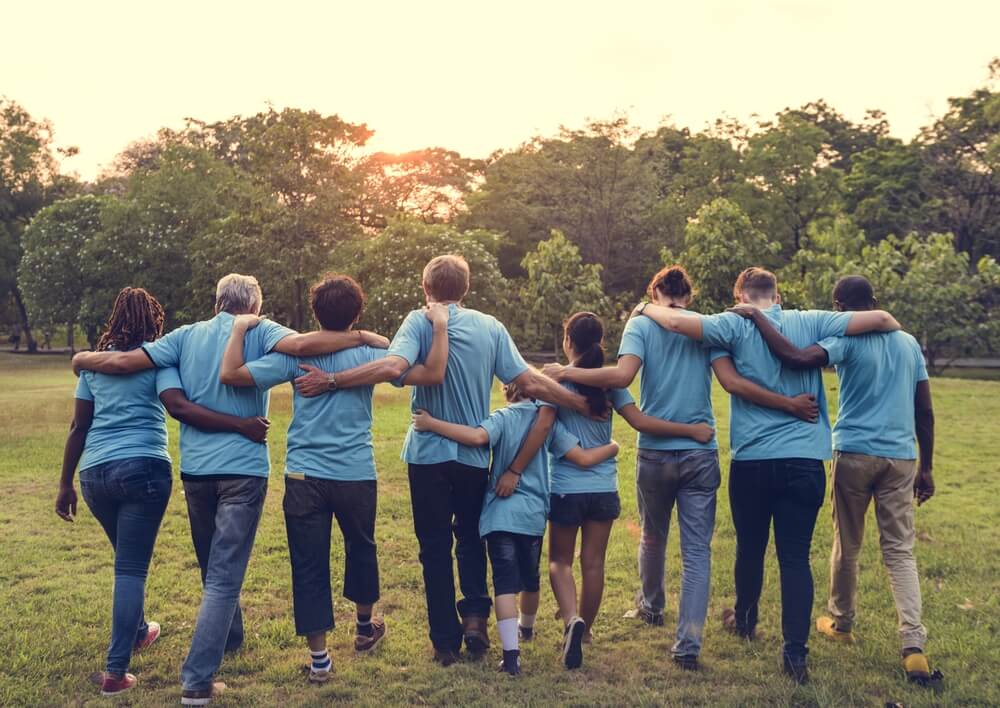
NGOs, also known as Non-Governmental Organizations, are bodies that work in tandem with the government to implement projects and work for the welfare of the people. These NGOs mainly work for the marginalized and needy people to give them what they’ve been deprived of in society. They can help them with food, shelter, clothes, employment, finance, and much more. These are independent groups created by people who wish to achieve certain similar goals that are socially, publicly, and politically good for the nation.
Role Of NGOs
NGOs mainly shine in front of society when people overlook the needs of certain groups of people. People with the same mindset of helping others go to these organizations and work towards the betterment of society. These organizations also work as an intermediary body between the government and the society. Some common roles they fulfill are:
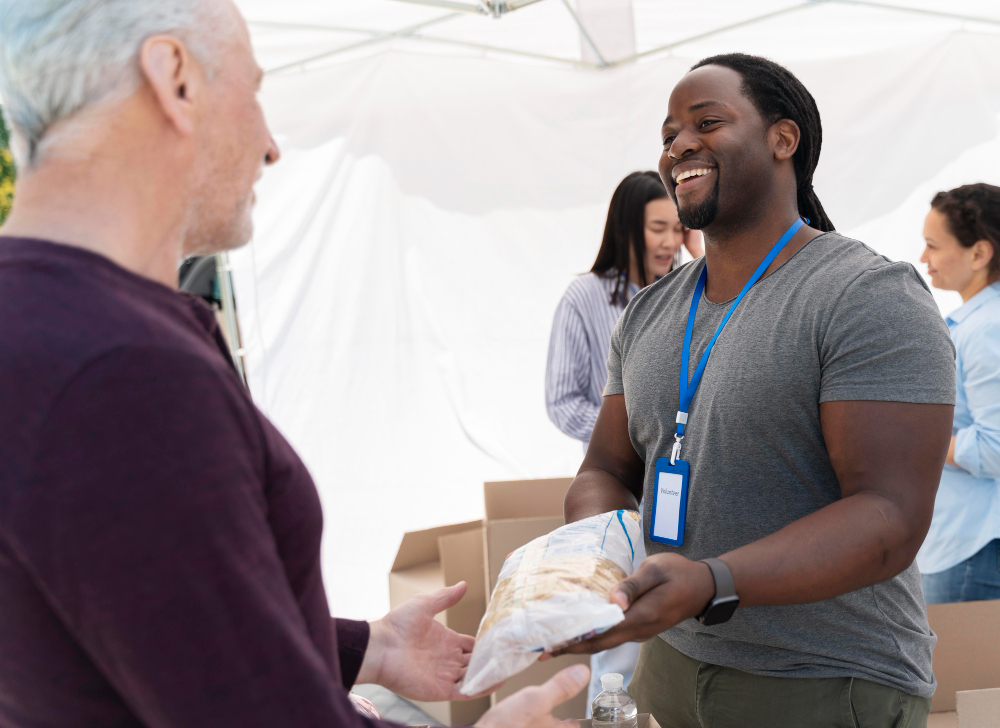
- Making the government accountable by ensuring they are responsible and accurately solve people’s problems.
- Offer suggestions and their expert point of view during the policy-making process.
- Bring societal, behavioral, and environmental changes.
- Educate people about the government policies, programs, and the rights they uphold.
- Work as a pressure group to put their observations and thoughts against various policies and government activities.
- Keeping an eye on the changing government policies.
4 Ways They Contribute To Communities
After reading the above points, you may now have an idea about how NGOs help society. Since the beginning, NGOs have been at the forefront of helping those in need and fighting for their rights. There are, however, many ways in which they contribute to communities.
In Health
There are many NGOs inclined towards the health sector. The poor are the most affected by bad health. This is when health-specific NGOs come into play. They have mobile dispensaries and clinics that allow the poor to be checked at a minimal fee or even at no cost at all. These NGOs make sure that everyone in society is free of any disease and stays healthy.
In Disaster Management
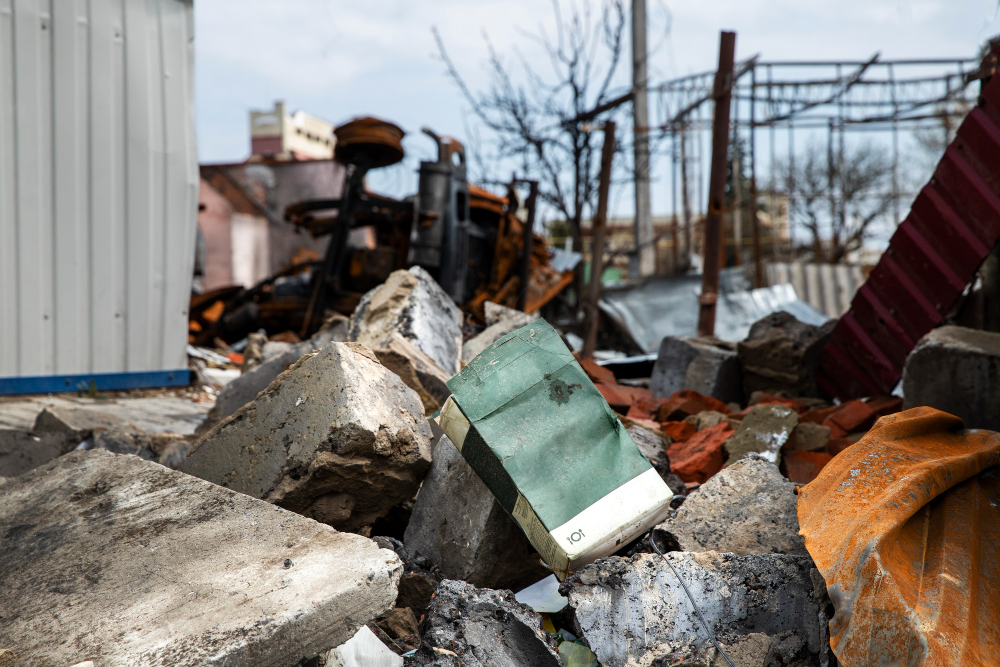
The Iraq war that’s still going on, we know how many people have been displaced and separated. During this crisis, they don’t have access to food, water, and other basic amenities. Some NGOs risk their lives to reach out to them and reunite them with their families or give them comfort. NGOs dealing with disaster management focus events on but are not limited to pandemics, natural disasters, war, and much more.
In Education
Many people in society are deprived of their basic right to education. Various NGOs offer education support to those who do not have access to enough money. They also have scholarship programs and an education center where they welcome underprivileged people to come and learn.
In Women Empowerment
Various sections of society are dependent on the income of their male members. Due to a lack of employment opportunities, women are unable to help financially. NGOs offer various employment opportunities to women so they can earn money and provide for and support their families.
Conclusion
NGOs are the heart of society and help develop various sections that are still not privileged. Their role in society is very important as they help those who are needy and help them do better for themselves and for others. NGOs work in different sectors and are not just limited to the ones mentioned here. They work in a way that definitely supports and encourages different groups of people in society.