
About Us
- Housing & Homelessness
- People with Disabilities
- Crisis Support
- Veterans & Military Families
Holistic, Family-Centered Approach to Care
Programs & Services
Residential Treatment
Affordable Housing
Veterans Services
Drug & Alcohol Testing
Vocational Rehabilitation Employment for Disabled Adults
Latest Updates
Why Veterans Need Mental Health Help When Coming Back to Normal Life
Life can feel pretty challenging when you take off a military uniform for good. Because when you leave the army, you leave behind a whole way of living. And you need to start from scratch. But here’s the thing—getting mental health help makes this change way easier.
How Military Life Changes Your Mind
Military life messes with your mind a bit. You see things other people don’t see. Maybe you go through scary things. Things that stick in your head for a long time. Being away from family for months can make you feel lonely, too. And all those strict rules become habits—habits that don’t always make sense in your new life.
For lots of vets, being in the army becomes who they are. So, coming home is about finding out who you are again. This is not so easy. You might feel lost or wonder why normal things don’t feel right anymore. That’s exactly why you need someone to talk to who understands.
Dealing with PTSD and Trauma After the Army

When vets see or live through very bad things, they might get PTSD. PTSD stands for Post-Traumatic Stress Disorder. This is a serious condition where the brain can’t let go of bad memories. You might see things in your head that you don’t want to. Loud noises can make you jumpy. Sometimes you feel angry for no reason.
It is better to notice these signs early, as it can help. If you get help sooner, you feel better faster. Talking to someone trained to help you deal with these memories can make life easier. Without help, PTSD makes normal days feel like too much.
Common Problems When Vets Leave the Military
Leaving the army can make vets feel really sad or worried. They might worry about their new life. They miss their army friends. And they might feel pressure to be good at things they’re not used to. Even small chores can feel so challenging.
Some vets start drinking too much or take drugs. Not because they’re bad, but because they want to feel better for a little while. But this doesn’t help. It makes things worse.
Sleep can also become a big problem. Nightmares or just lying awake for hours can become normal. And without good sleep, other problems get even worse.
Why Asking for Help Feels Hard Sometimes
Even though vets need help, sometimes they won’t ask. Why? Well, the army teaches you to be strong. Being strong can feel like not needing help. Some vets think they’re weak if they ask for help. That’s just not true—but it feels true.
And sometimes vets don’t even know help is out there. Or they had a bad time with doctors in the past and don’t trust them anymore. All these things make asking for help hard. But getting help is the best thing you can do.
The Right Kind of Help Matters a Lot
Good help doesn’t rush vets into feeling better. It lets them take their time. Doctors and helpers who understand what vets went through know how to make them feel safe. They don’t push too hard. They wait until the vet is ready.
Talking therapies work really well. Stuff (oops!)—methods like Cognitive Behavioral Therapy and Prolonged Exposure Therapy help a lot. There are also ways, like doing art or practicing mindfulness. These give vets other ways to feel calm and safe.
Why Family and Friends Mean So Much
Family is very important when you come home from the army. Your family can support you in so many ways that doctors can’t. They see you every day and give you love and understanding. But families also need help learning how to support a vet.
Family counseling is great. It teaches everyone how to talk openly about feelings and worries. When families learn together, everyone feels better. And life at home becomes easier for everyone.
Jobs and Finding Out Who You Are Again
After the vets leave the army, they become jobless. They lose their everyday routine and their place in life. This can make vets feel confused or upset. But some people can help vets find good jobs.
Career helpers can show vets how to apply skills from the army to everyday life. Schools and training programs can also help vets find new jobs they really like. Meeting other vets who found good jobs can also help. Having a job you like helps you feel good about life. It also gives you a feeling of purpose again.
Building Sisterhood: Women Empowering Each Other
What Sisterhood Really Means
Sisterhood runs deeper than casual friendship. It’s standing shoulder to shoulder through life’s storms. It can be the nod of unspoken connection when words fail. It’s like sharing tears and celebrating wins. Be it big or small.
In places like Iran and Afghanistan, sisterhood becomes a quiet rebellion. The voices of women are silenced in those countries. When women gather to share stories, skills, or simply space, they create pockets of freedom. These connections help women reclaim their worth, dignity, and hope when the world tries to take these away.
The Healing Power of Female Connection

Trauma often builds walls. Many women who survive hard experiences feel alone or unworthy of care. The scars from violence run deeper than skin and, therefore, make trust seem impossible. But healing starts when one woman tells another: “I see you. I hear you. Your story matters.”
The benefits of this connection can be shown in many ways:
- The relief of being truly understood by someone who’s walked a similar path
- The freedom that comes from speaking painful truths out loud
- The spark of hope when seeing another woman rise from similar struggles
Even tiny moments count. A hand squeeze during a tough story, a cup of tea offered in silence, or just sitting together when words won’t come. These simple acts alone can break chains of isolation.
A History Rooted in Tradition
Women gathering together is not new. For thousands of years, women met in circles to pass down wisdom, share medicine, teach skills, and tell stories. They created spaces where women grew stronger together.
Sadly, these practices faded as societies changed. Powerful groups feared women’s collective strength. They pushed women apart, so they learned to see each other as rivals rather than sisters. This breaking of bonds left a deep hurt, and what some now call the “sister wound.”
Overcoming the “Sister Wound”
The sister wound shows up as distrust between women. It’s the voice that whispers, “she’s prettier than you” or “her success takes from yours.” It teaches women to judge each other harshly and compete for limited spots.
This wound is not natural, as it grew from systems that benefit when women stand alone. Healing happens in safe spaces where women learn to drop their guards. It comes from practicing new ways of seeing each other: as allies, not threats. By building trust step by step, women can unlearn centuries of harmful messages and rediscover the joy of supporting each other.
What Empowerment Through Community Looks Like
Women empowering each other takes many forms. Sometimes it’s a business owner teaching skills to younger women. Other times, it’s moms swapping childcare so each can rest. It might be friends pooling money to help another start school.
Real empowerment means:
- Sharing knowledge freely without fear of being replaced
- Offering hands-on help during crisis moments
- Celebrating wins without jealousy
- Speaking up when someone faces unfair treatment
The truth shines clear. When one woman rises, she brings others with her.
How to Build Stronger Sisterhoods
Creating deeper connections with women starts with small steps anyone can take:
- Reach out to women you’ve lost touch with
- Join groups based on interests you love
- Create a regular meet-up, even if it’s just coffee with one friend
- Practice listening deeply without planning your response
- Be brave enough to share your real struggles, not just your highlight reel
- Look for ways to help without being asked
The first step might feel scary, but it’s worth it. Send that text. Join that class. Invite someone for coffee. Connection starts with one brave hello.
Conclusion
The world often tries to keep women small and separate. And so coming together becomes a powerful act of courage. The path to healing, growth, and real change runs through sisterhood. When women link arms, they create a sense of safety for each other to heal old hurts and dream bigger dreams.
Start today. Look around at the women in your life. How might you support them? How might you let them support you? This give-and-take of women empowering each other lays the foundation for a better world, one sisterhood at a time.
The Unique Struggles of Women in Recovery from Substance Use
Addiction can hit everyone differently. But women have special challenges. Both when struggling and when healing. A woman’s body handles drugs and alcohol differently from a man’s. She faces pressures from family, work, and society that often make it harder to get help. Even healing itself looks different for women.
Regular recovery programs usually don’t clearly see these differences. They often miss those special needs that women usually have. Because knowing these problems helps make better treatments. Women with addiction also need support made for them. And not just general help that doesn’t fit.
How a Woman’s Body is Different
A woman’s body doesn’t break down alcohol and drugs as quickly as a man’s does. She gets drunk or high faster and stays that way longer. This means addiction sneaks up faster, too. Damage from addiction might happen before she realizes there’s a real problem.
Hormones also mess things up. Sometimes they make cravings worse or withdrawals harder. Addiction can even mess up a woman’s monthly cycle and make pregnancy risky. Many women start using drugs or alcohol to handle pain or tough feelings.
Trauma and addiction can also often go together for women. Lots of women start drinking or using drugs after being hurt or abused. And this makes things complicated because trauma and addiction feed off each other. Women need special care that addresses both problems at once.
Dealing with Society’s Judgment
People also judge women who struggle with addiction harder than they usually judge men. And it’s even worse if you’re a mom. You might get labeled as a bad mother or may even risk losing your kids. Also, Women who have working jobs worry they’ll ruin their careers if anyone finds out.
Many women remain quiet due to society’s harsh judgment. They feel ashamed and scared. They also try to keep things looking perfect from the outside. Asking for help feels like admitting they’ve failed as mothers, wives, or professionals.
Practical things also stop women from getting help. Who will take care of the kids? How will bills get paid if she’s away in rehab? Most treatment places don’t help with childcare or these kinds of worries. And this makes it even harder for women to get the help they need.
Emotions and the Danger of Relapse
Feelings are a big deal for women. Sadness, worry, shame, and loneliness often push women to drink or use drugs to feel better. And this emotional connection means women relapse more easily when they hit tough times. It could be like fighting with family or feeling alone.
Women in recovery have to learn new ways to deal with these emotions. Therapy, exercise, meditation, and creative activities can help. But it’s not easy. Women need support and new skills to handle stress without reaching for drugs or alcohol.
Stress from daily life — like kids, jobs, and family responsibilities — can also pile up fast. It can feel overwhelming, too. Women need strong ways to handle stress and set limits. Daily life can become dangerous for their recovery if they lack strong skills.
Facing Mental Health and Addiction Together
Many women deal with addiction and mental health issues at the same time. Depression, anxiety, eating disorders, and PTSD are a few examples. These problems also often show up along with substance abuse. And this makes recovery tricky.
The two problems feed off each other. Anxiety makes a woman drink. Drinking makes anxiety worse. It’s a hard loop to break. Good treatment sees these connections and treats both at once. Otherwise, recovery won’t stick.
Treating addiction without helping mental health doesn’t usually work. And treating mental health without seeing addiction problems is also not enough. Women need care that understands how both problems work together.
The Problem of Downplaying Addiction
Women often don’t think their addiction is “that bad.” They say things like, “I only drink wine,” or “I’m not as bad as she is.” This denial, most of the time, can come from shame and fear.
If the addiction is ignored for a long period, then the worst will happen. Physical health will suffer. Relationships will also break down. Jobs will get lost, too, and mental health gets much worse.
Seeing the problem early can save lives. But first, women must be willing to admit they need help. This means feeling safe to talk openly without being judged.
The Need for Women-Only Support

Regular support groups can often miss the mark for women. Being in a room with mostly men can also feel uncomfortable or even unsafe. Also, the mixed groups can sometimes remind women of past negative experiences.
For this reason, women-only groups can make it easier to talk about their deep issues. Women can share worries about being mothers, feeling bad about their bodies, or dealing with past hurts. Female-led groups can create safety and understanding.
Support from other women who really get it can also make a big difference. They also provide helpful advice and emotional comfort when recovery gets tough.
Special Treatment that Really Helps
Good recovery programs for women treat their whole lives. They help women with health, feelings, family relationships, jobs, and spiritual needs. Good care understands how trauma from the past affects women today.
Special programs for women offer safe places to heal. They provide real-life support, such as childcare, parenting classes, and job skills training. Also, the treatment does not stop when drugs and alcohol stop. It should continue by helping women feel better about themselves and find balance.
Trauma-Informed Care: What It Means and Why Women Need It
Did you know that eight out of ten women getting help for addiction have experienced trauma? Yes, it’s true. Many women turn to drugs or alcohol because they’re hurting from things that happened to them.
Traditional care often ignores this. But trauma-informed care is different. It helps women heal from trauma and addiction at the same time. In this article, we will look into how it works and why women really need it.
What is Trauma-Informed Care?

Trauma-informed care means looking at the whole person. Instead of saying, “What’s wrong with you?” it asks, “What happened to you?” There is not much difference in it. But it actually changes everything.
This type of care makes places feel safe. It also builds trust and helps women feel strong again. Trauma affects how you handle stress, get along with others, and navigate tough situations. Trauma-informed care teaches women ways to handle these feelings. So, women get help for both their addiction and the painful memories behind it.
Why Women Need This Type of Care
Women often face difficult challenges in their lives. One in three women is hurt by someone they know. It could be like a partner or perhaps a family, too. And for those women using drugs or alcohol, almost all have had bad childhood experiences. Even more have faced abuse.
Women’s brains also handle trauma differently. They get stressed more easily. Feelings also become too big to handle. Memories can also get stuck, and it’s harder to let go. This makes drugs or alcohol seem like the only way to feel better.
So, women start using substances to numb feelings or stop memories. But this makes things even worse. It’s like a circle of life. Trauma leads to using substances, and using substances leads to even more trauma. You have to stop both to heal completely.
Problems Women Face Getting Help
Women don’t always find it easy to get help. Many worry about what family or friends might say. Some even worry they’ll lose their kids if they admit to addiction. Feelings of shame about past trauma keep many silent.
Daily life can get in the way, too. Taking care of kids can make going to a treatment center difficult. Money problems and lack of transportation can also stop women from getting care. Many centers don’t even consider the real-life problems women face.
Women also have unique medical needs. They show stronger addiction symptoms faster. Lots of times, they have anxiety issues, too. And most places aren’t prepared to deal with the trauma. So, women often wait too long before seeking help.
Main Parts of Good Trauma-Informed Care
Good care starts with safety—both physical and emotional. Centers make sure rooms feel safe and welcoming. There are clear rules and a high level of privacy. Women know what to expect and feel safe opening up.
Trust is a big thing, too. The staff talks openly and honestly about what’s going on. This rebuilds trust.
Women help each other in these programs, too. They see they’re not alone. And talking with someone who’s been there feels comforting.

Empowerment also means giving women some control. They can help decide how their recovery goes. Feeling in control can also help them heal fast.
Being respectful of each woman’s culture and background matters. Everyone heals differently. Good programs understand this and include traditions and customs that help women feel respected.
How These Programs Really Help Women
These special programs get great results. Women stay in treatment longer. They even come back for follow-ups more often, which helps recovery stick.
Symptoms of trauma and addiction can go down together. Women can also learn how to handle hard feelings without drugs or alcohol. They often get better at dealing with stress and setting limits.
Programs often use therapies like CBT or DBT. They also might use art therapy, yoga, or mindfulness. The programs can help in stopping drugs or alcohol. It can also help women feel better in every part of their lives.
Conclusion
Trauma and addiction often go together, and that is true especially for women. You can’t treat one without treating the other. Trauma-informed care gets this.
This type of care can really help women facing both issues. It can create a safe space for full healing. If you or someone you love struggles with trauma and addiction, you can look for trauma-informed programs. Do you know that complete healing is possible with the right support?
The Role of Community Support in Recovery from Trauma
Trauma can leave its mark on us. It can change our feelings, our bodies, and how we see everything around us. But no one heals alone. We need connections with others to get better. When trauma happens, it isn’t easy to heal. Getting better takes more than just trying hard on your own. And you need people who understand and care.
Effects of Trauma on the Brain and Body
Trauma can change how your brain works, too. It can shift the pathways in your mind and also make controlling emotions harder. That’s why trauma’s effects stick around so long. You can’t just “get over it” by trying harder. Your brain needs positive experiences to build new, healthier patterns. Friends, family, and support groups can also help create these kinds of experiences.
Creating Supportive Spaces
Good supporters can make places where trauma survivors feel safe. And in these spaces, no one judges or triggers bad memories. People can talk about what happened and that too, without being scared. Just being listened to helps survivors feel less alone.
Trust can also take time to grow. And if you’re helping someone recover from trauma, you need to be patient. They’ll heal on their schedule and not yours. Let someone take their time and show you really care.
Types of Community Support That Aid Recovery

Support groups can bring together people who have been through similar things. These might be in-person meetings, online groups, or activity groups. Some organizations can also use activities like sports or reading to help people heal. These groups can also show survivors that they’re not alone in going through those hard times.
Some programs can also offer special retreats for trauma survivors. These can create small groups where people can form strong, supportive relationships through shared healing. Other programs also focus on healing entire neighborhoods through honest conversations and rebuilding trust.
Why Community Help Keeps You Going
Research shows that a support system is important for mental health. Your body can actually feel less stress when people stand by you. Your mind can experience fewer symptoms of anxiety and depression, too. Having others who believe in you can make it easier to stick with therapy or maintain healthy habits.
There’s also something special about meeting someone who walked a similar path. It shows you recovery is possible. And this creates hope when you need it most. The importance of a support system in mental health includes providing a safety net that catches you on tough days. Recovery becomes less scary when you know you’re not facing it alone. The road gets smoother when others walk beside you.
Helping Survivors Speak Up
Many survivors find purpose by helping others. Organizations like Thistle Farms show how this works. They also help women who survived trafficking not just recover but become leaders and advocates themselves.
This transformation from survivor to helper can help build confidence. It can also create meaning from pain. Community programs that train survivors to support others spread awareness and change how society understands trauma.
What to Do (and Avoid) When Offering Support
Good support means active listening without interruption. It means staying patient during setbacks. It celebrates small steps forward without pushing too hard.
Avoid saying things like “everything happens for a reason” or “just look on the bright side.” You should not rush someone’s healing or avoid talking about their experience. Being present can help more than any advice.
Why Access to Mental Health Services Should Be a Right, Not a Privilege
October 10 marks World Mental Health Day. It is a day that shines a spotlight on something we should care about every year. But one day is not enough. Mental health care should not be limited to those who can afford it. But it is something that everyone needs. Mental health is a human right. And we need to treat mental health just as seriously as bodily health.
Mental Health in the Modern Workplace

Job stress is getting worse. Burnout happens more often now. Many workers feel isolated, even when surrounded by coworkers.
But in recent times, some companies are stepping up. Alberts is one such example. They create spaces where minds matter. They offer yoga classes so staff can start their week feeling calm. They also hold walking meetings that get bodies moving and encourage people to engage in conversation. Their monthly Wellness Wednesday hours allow employees to take a break and do something good for themselves.
Backing Innovation for Better Access
Investing in mental health startups helps more people access mental health services. Alberts Impact Ventures (AIV) funds people with big ideas for mental health.
Like Family brings carers to older or disabled folks who need help with everyday tasks. This app combats loneliness by fostering communities where people feel valued and matter.
Samphire Neuroscience tackles how periods and PMS hurt mental health. Their Nettle headband gives relief without drugs by working with brain areas that control emotions and pain.
ThroughLine is a company that connects people in crisis to help. It does not matter where they are. They bring together 1300 helplines in 100 countries. Their team-up with Google also makes finding help faster.
Technology as a Tool for Emotional Support
Apps and tech can also break down walls to get help. Mindset Health is a company that created phone-based hypnotherapy for problems like IBS and anxiety. They mix solid research with easy-to-use apps.
Talking openly about mental health makes getting help feel normal. At an R U OK? At the day event, Mindset Health’s founder explained that mental health touches everyone at some point. And talking about it freely takes away the shame.
Everyday Practices That Make a Difference
Easy habits can build stronger minds:
- Deep breathing calms racing thoughts
- Outdoor walks connect you to your body and nature
- Staying in the moment eases worry
- Good sleep helps emotions stay balanced
- Talking with friends fights off the feeling of being alone
These sound easy, but can feel impossible when you’re struggling. That’s when having support really matters.
The Role of Community and Policy

Shame still keeps many people quiet about their pain. Something inside that says “don’t tell” when speaking up could actually help. Far-away services, high prices, and long wait times block paths to feeling better.
Mental health as a human right means care for everyone, regardless of their socioeconomic status, urban or rural background, or any other characteristic. Just like we’d never deny someone treatment for a broken arm, we shouldn’t deny help for broken spirits.
Bosses, governments, and neighbors all need to tear down these walls. When mental health care becomes as accessible as physical care, we’ll have happier workplaces, stronger families, and better communities.
A Shared Commitment to Mental Wellness
Mental health care can’t depend on luck or money alone. Where you live, how much you earn, or what job you have should not determine whether you receive help during difficult times.
Groups like Albert’s also demonstrate what happens when mental health becomes a priority. Their STEPtember event got employees walking together. They took almost four million steps while simultaneously raising money for charity.
We also need to check on ourselves and others often. Not just on World Mental Health Day but whenever someone needs a hand. Creating a society where everyone’s mental health matters is not only smart, but it also demonstrates our care for one another as human beings.
How to Recognize the Signs of Mental Health Struggles in Loved Ones
In the United States alone, about 59.3 million adults face mental health challenges each year. That’s one in five adults! Most families don’t expect to deal with mental illness and feel unprepared when it touches their lives.
But the good news is that recognizing the signs early can make a huge difference in getting proper help.
What Is Mental Illness

Mental illness happens when the brain works very differently from normal. These brain changes can make it very hard for people to control their feelings, thoughts, and even actions. Someone with a mental illness might feel sad all the time or maybe worry too much about everyday things.
Doctors in modern times know more than 200 different mental health conditions. The most common ones include depression, anxiety, bipolar disorder, and schizophrenia. You might notice someone’s mood, personality, habits, or social life changing. Mental health problems can affect the body too.
People don’t choose to have mental health problems. They can happen because of genes, brain chemistry, tough life events, or all of these together.
Why Early Recognition Matters
Spotting the early warning signs of mental health issues is very important. If you can spot it early, it can lead to faster treatment and better outcomes. Many people wait years before seeking help. And this allows symptoms to get worse. And as a family member or close friend, you might notice some small changes before the person does. Your observations can be the very first step toward healing.
10 Ways to Spot a Mental Health Issue

- Noticeable mood changes – Your normally upbeat friend seems to be sad all the time. Or perhaps a calm person becomes irritable for weeks on end.
- Social withdrawal – They cancel plans, stop returning calls, or maybe even avoid activities they used to enjoy.
- Sleep disturbances – You notice they’re staying up all night or sleeping most of the day.
- Shifts in eating habits – They suddenly lose interest in food or maybe even start eating much more than usual.
- Difficulty handling daily tasks – Simple activities like paying bills, getting to work, or keeping up with housework become overwhelming.
- Physical complaints – They mention frequent headaches, stomach problems, or other pains doctors can’t explain.
- Strange thoughts or beliefs – They express ideas that don’t match reality or say they hear or see things others don’t.
- Sudden anger or emotional outbursts – Small problems trigger big reactions that seem out of proportion.
- Use of substances – You notice increased drinking or drug use that seems aimed at coping with feelings.
- Loss of interest in appearance – Someone who always took pride in their appearance stops caring about basic hygiene or grooming.
Signs in Children and Adolescents
Children show mental health struggles differently from adults. For younger kids, watch for persistent nightmares, excessive fears, or frequent tantrums that go beyond typical childhood behavior.
Pre-teens might show sudden drops in grades, refuse to go to school, or act out in ways that seem unlike them.
Teenagers experiencing mental health issues might become very secretive or display radical personality changes. Their emotions may also seem more intense than the situation calls for.
Parents should also trust their instincts. You know your child best. And so if something seems off, then it probably is.
What Causes Mental Health Struggles?
Mental health conditions rarely have a single cause. They often result from a combination of:
- Genes and family history
- Brain chemistry and structure
- Trauma or very stressful events
- Ongoing life challenges
- Medical conditions
No one chooses to have a mental illness, and no one is to blame when these conditions develop.
How Families Can Cope and Offer Support
Learning about your loved one’s condition helps you understand what they’re going through. Local libraries, trusted websites, and mental health organizations offer good information.
Listen more than you speak. Sometimes people need someone to hear them without judgment or advice.
Offer to help them find professional support. Finding a therapist can feel overwhelming when someone is already struggling.
Handling Tough Moments Gently

It is very difficult to deal with people who have mental health problems. They can act in so many unpredictable ways. Your loved one might burst into anger or may say some strange things. These actions come from their condition and not who they really are.
Try to stay calm when things get tough. You can also use a gentle, steady voice that works better than getting loud back. Sometimes just sitting quietly beside them can also help more than words.
Think ahead about tricky situations. Before heading to the store or a family dinner, you should have a simple plan. Maybe you’ll take separate cars or perhaps agree on a signal when they need a break.
Mental health challenges touch so many families. And the good news is that the treatment works. Many people get better or learn to live well with their conditions.
Breaking the Stigma: Why Mental Health Care Is for Everyone
Mental health matters for everyone, not just some people. It’s about how we feel, think, and deal with everyday life. But many people get judged or misunderstood when they are struggling. And this creates barriers. People with mental health issues also avoid getting help because they feel ashamed. They end up facing their problems all alone.
But the truth is very simple. Mental health care belongs to all of us. Your mind is important and needs attention just like your body does.
Different Faces of Stigma
Stigma can show up in so many ways. Social stigma usually happens when other people see mental health challenges as a sign of weakness. You might usually hear comments like, “Just snap out of it” or “You’re just being dramatic.” And these harmful ideas can really push people into hiding their struggles.
Self-stigma usually occurs when people start to believe these types of negative messages. They might think, “Maybe I am weak,” or perhaps “I should handle this on my own.” And this leads to shame and stops many people from seeking help.
Then there’s systemic stigma, and that’s the barriers built into our world. Insurance might not cover therapy. Workplaces might not offer mental health days. Schools might not teach students about emotional well-being.
Fear and wrong information fuel these problems. Many people fear what they don’t understand.
The Power of Education in Shaping Perception

Knowledge can also help fight stereotypes better than anything else. People can often change their minds when they learn the truth about mental health.
Schools that also teach mental health awareness can help young people understand these issues early. New York is one of those States that made this kind of education compulsory for all schools. Students can now learn that mental health is part of overall health. It’s not something scary or strange.
Community programs make a big difference, too. Workshops, free classes, and local events help spread good information. When neighbors talk openly about mental health, everyone benefits.
Advocacy in Action
Mental health advocacy means speaking up for better care, understanding, and rights. It pushes for positive change at all levels.
Some people practice self-advocacy by speaking up for their own needs. They ask for accommodations at work or school. They seek out treatment options that work for them.
Friends can also help friends. Those people who faced depression can also guide others through those tough times. And their real-life experience can make them great supporters.
Big groups can also join the fight. The National Alliance on Mental Illness teaches families about mental health, another one of the Active Minds that reaches college students. These organizations can change laws, get more money for treatment, and build better support systems.
Building a Culture of Acceptance and Access

Acceptance doesn’t just happen overnight, but it takes a lot of work. Workplaces can also help by offering mental health support. Schools can also ensure counselors are available for every student.
How we talk about mental health matters a lot, too. Saying “I have depression” instead of “I’m depressed” puts the person first instead of the condition. And these small language shifts make a big difference in this situation.
What You Can Do to Help
You have the power to create change. And here are some of the steps you can take:
- Seek help if you need it, and this shows others it’s okay, too
- Learn about mental health through books or online resources
- Join or donate to mental health organizations
- Share accurate information on social media
- Listen without judgment when others talk about their struggles
- Watch your language and try to avoid terms that hurt
Being kind to yourself matters too. Practice self-care and remember that needing help isn’t a weakness – it’s human.
A Collective Responsibility

We all can contribute to improving mental health. Getting help early matters too. You don’t have to wait until the problems grow to seek treatment.
We need to reshape our thinking, too. This can truly change how people see mental health. Getting help for feeling sad or anxious should feel just as normal as seeing a doctor when you have a fever.
Taking care of our minds matters just as much as taking care of our bodies. We do both, and that is very important. And this can create stronger and healthier neighborhoods for everyone.
How Social And Mental Health Services Benefit Our Community
At Tampa Crossroads, our goal is to provide support to the local community. We assist people with homelessness, disabilities, veterans & military families, and those going through a crisis in their lives. Our volunteers, staff, and team members are diverse, ranging from mental health professionals who have attended some of the top psychology programs in Florida to veterans who have recovered from their struggles. The vital work we carry out, providing social and mental health services to the community, goes far beyond benefiting those that we directly help. Here at Tampa Crossroads, the work we carry out benefits the community as a whole.
Reduce Homelessness
At Tampa Crossroads, one of our most vital roles is to assist those experiencing homelessness. We have an affordable housing program that helps to get people away from a life on the streets. We want everybody in Tampa to have a place that they can call home, and we won’t stop until we’ve made that happen.
By helping get people off the streets, we can provide people with the leg-up they need to integrate into the community. Often, providing people with affordable housing can lead to long-term benefits such as employment and higher incomes. It can also help people to feel safer in the community.
Reduce Crime
Study after study has demonstrated that making people feel supported and providing the resources they need to thrive can help reduce crime levels. At Tampa Crossroads, we have a variety of programs that assist with this. All of our programs are designed to ensure people get the support that they need and deserve. Our programs can help to tackle unemployment. They can help to tackle mental health issues. They can help to tackle poverty. All of this has been proven repeatedly: crime levels will fall. Our goal is to make the community safer for everybody.
Reduces Drug & Alcohol Abuse in the Community
It is no secret that drugs and alcohol can decimate communities. Drug and alcohol dependence can lead to a rise in crime. It can lead to unemployment and homelessness. It can tear families apart. Here at Tampa Crossroads, we can offer much-needed support for those who may be dealing with addiction. We provide drug & alcohol testing, both for individuals and for organizations. We believe our resources here can benefit the community as a whole, just like every community around the world has benefited massively when the residents have a lower dependency on drugs and alcohol.
Assists Veterans & Disabled People with Gaining Employment

One of our core philosophies is to help veterans and people with disabilities in the local area. At Tampa Crossroads, we have a variety of programs to assist people who fall into these two groups, helping them so that they may not struggle to get elsewhere. We take great pride in the fact that we have helped many people, many of whom would have struggled without our help, take up vital roles in the workplace.
In addition to this, we can provide mental health support and other types of support for those who fall into these categories. This can benefit both the individual and the community as a whole, helping to stamp out any issues before they become a major problem.
We Help People Feel Supported
Sometimes, people just need to feel supported. They need to feel like somebody is there fighting in their corner. It is this support that gives them the drive for life. It is this support that keeps them away from crime, drugs, and loneliness. We like knowing that the vital work carried out by Tampa Crossroads is helping people get the support they would not have received elsewhere. We want to foster a much more supportive community, one where everybody looks out for one another, and we accomplish this. Many of the people we’ve worked with have gone on to do brilliant things in the local community.
We Help People, and Their Families, Heal
Above all, we help people and their families heal from the crises that they face on a daily basis. Our work helps to repair families. It helps the local community by creating an approach where people start to keep an eye out for one another. As we said before, when people feel supported, it benefits everybody.
The Vital Role of NGOs – 4 Ways They Contribute to Communities
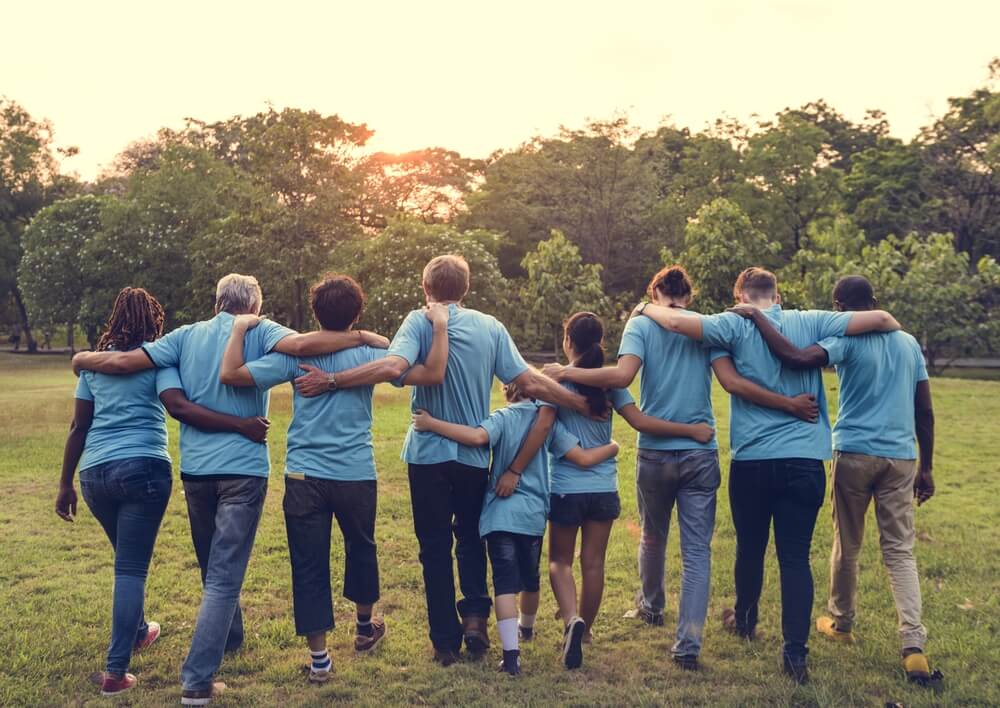
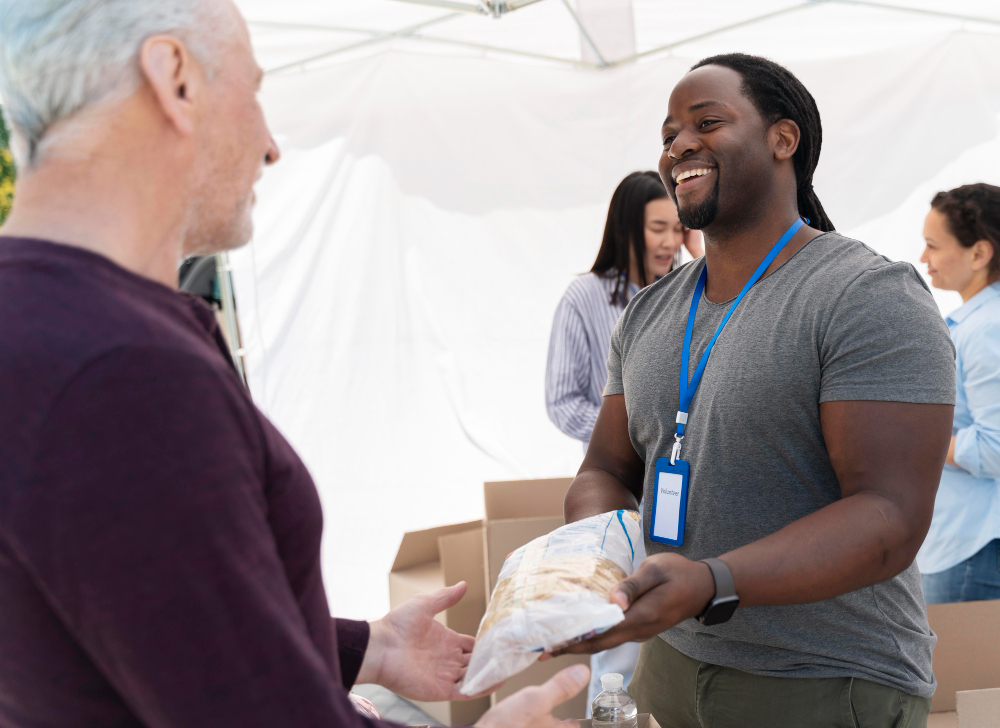
NGOs, also known as Non-Governmental Organizations, are bodies that work in tandem with the government to implement projects and work for the welfare of the people. These NGOs mainly work for the marginalized and needy people to give them what they’ve been deprived of in society. They can help them with food, shelter, clothes, employment, finance, and much more. These are independent groups created by people who wish to achieve certain similar goals that are socially, publicly, and politically good for the nation.
Role Of NGOs
NGOs mainly shine in front of society when people overlook the needs of certain groups of people. People with the same mindset of helping others go to these organizations and work towards the betterment of society. These organizations also work as an intermediary body between the government and the society. Some common roles they fulfill are:
- Making the government accountable by ensuring they are responsible and accurately solve people’s problems.
- Offer suggestions and their expert point of view during the policy-making process.
- Bring societal, behavioral, and environmental changes.
- Educate people about the government policies, programs, and the rights they uphold.
- Work as a pressure group to put their observations and thoughts against various policies and government activities.
- Keeping an eye on the changing government policies.
4 Ways They Contribute To Communities
After reading the above points, you may now have an idea about how NGOs help society. Since the beginning, NGOs have been at the forefront of helping those in need and fighting for their rights. There are, however, many ways in which they contribute to communities.
In Health
There are many NGOs inclined towards the health sector. The poor are the most affected by bad health. This is when health-specific NGOs come into play. They have mobile dispensaries and clinics that allow the poor to be checked at a minimal fee or even at no cost at all. These NGOs make sure that everyone in society is free of any disease and stays healthy.
In Disaster Management
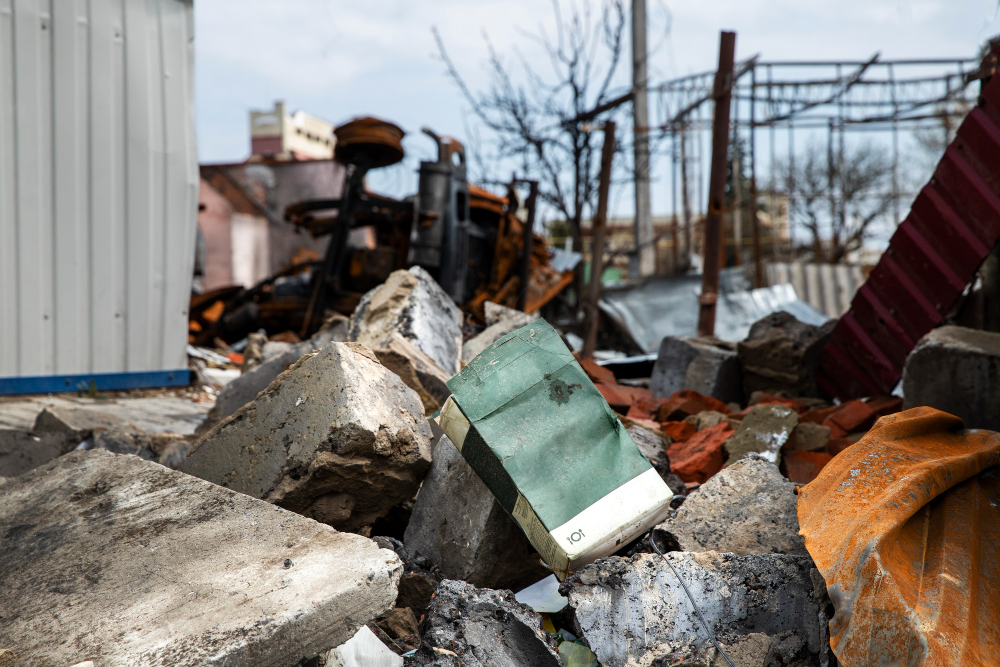
The Iraq war that’s still going on, we know how many people have been displaced and separated. During this crisis, they don’t have access to food, water, and other basic amenities. Some NGOs risk their lives to reach out to them and reunite them with their families or give them comfort. NGOs dealing with disaster management focus events on but are not limited to pandemics, natural disasters, war, and much more.
In Education
Many people in society are deprived of their basic right to education. Various NGOs offer education support to those who do not have access to enough money. They also have scholarship programs and an education center where they welcome underprivileged people to come and learn. In fact, according to the online publication Top Trade Schools, Tampa based Non-Governmental Organizations are responsible for offering thousands of dollars of financial aid to students pursuing their education at some of the highest-rated trade schools in Florida. Assistance for those seeking education to develop careers and improve their socio-economic states, is a crucial tool for positive change in communities.
In Women Empowerment
Various sections of society are dependent on the income of their male members. Due to a lack of employment opportunities, women are unable to help financially. NGOs offer various employment opportunities to women so they can earn money and provide for and support their families.
Conclusion
NGOs are the heart of society and help develop various sections that are still not privileged. Their role in society is very important as they help those who are needy and help them do better for themselves and for others. NGOs work in different sectors and are not just limited to the ones mentioned here. They work in a way that definitely supports and encourages different groups of people in society.


